Creativity shapes how we experience the world. It colors our emotions, influences our surroundings, and defines our personal style. But where does creativity come from? Looking back at ancient creators reveals how inspiration has always been drawn from life itself—whether from emotions, nature, or everyday objects. Today, creativity continues to thrive in new forms, blending old ideas with fresh perspectives. This post explores the history of creativity, the sources that fueled ancient artists and makers, and how we can tap into that same energy in our daily lives.
How Ancient Creators Found Their Spark
Long before modern tools and technology, ancient creators relied on what was around them. Their creativity was deeply connected to personal experiences and the natural world.
- Personal stories and emotions often shaped their work. Cave paintings, pottery designs, and sculptures told tales of survival, celebration, or spiritual beliefs. These creations were not just art but a way to communicate feelings and ideas.
- Nature served as a constant muse. Patterns in leaves, the flow of rivers, and the shapes of animals inspired designs that echoed the environment. For example, ancient textiles often featured motifs drawn from plants and animals native to the region.
- Materials at hand influenced creativity. Stone, clay, wood, and natural dyes were transformed into tools, decorations, and clothing. The limitations of materials pushed creators to innovate and experiment.
This connection between life and creativity shows that inspiration is not something distant or rare. It lives in the everyday moments and surroundings.
Creativity in Personal Experiences and Emotions
Our feelings and memories remain powerful sources of creativity. When we channel emotions into creative projects, the results often feel authentic and meaningful.
- Writing in journals or creating art can help process complex emotions.
- Personal experiences, like travel or relationships, provide fresh perspectives and ideas.
- Reflecting on challenges or joys can spark new ways to express oneself.
For example, many people use junk journals—handmade books filled with recycled papers, photos, and mementos—to capture their stories. These journals become unique expressions of identity, blending creativity with personal history.
Nature as a Muse for Junk Journals and Home Decor
Nature’s textures, colors, and forms inspire countless creative projects. Using natural elements in junk journals or home decor brings a sense of calm and connection.
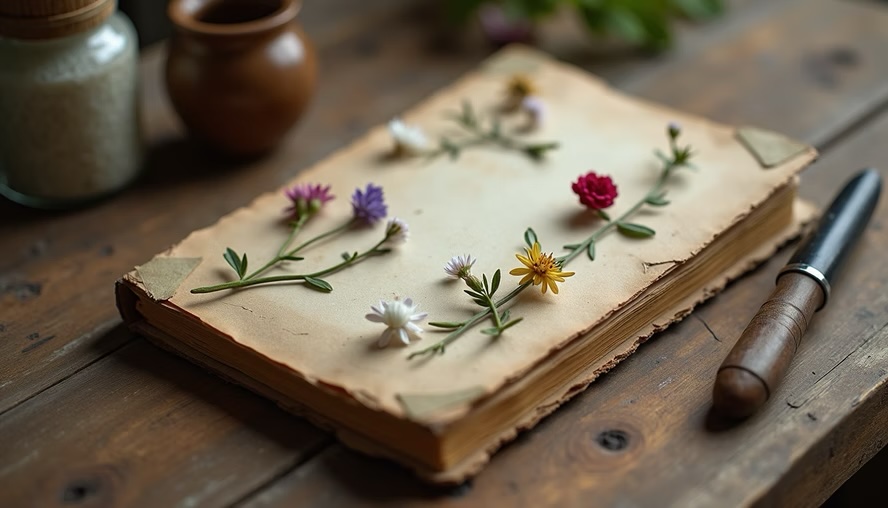
- Pressed flowers, leaves, and feathers add organic beauty to journals.
- Stones, shells, and wood pieces can be incorporated into decorations.
- Earthy color palettes drawn from nature create warm, inviting spaces.
For example, a junk journal might include dried lavender sprigs or bark textures to evoke a woodland theme. At home, DIY decor using driftwood or pinecones can transform a room with natural charm.
A junk journal featuring natural elements like pressed flowers and leaves
DIY and Thrifted Decor Ideas That Spark Creativity
Creativity often shines brightest when working with limited resources. DIY projects and thrifted finds encourage resourcefulness and originality.
- Repurposing old furniture or decor items gives them new life.
- Combining thrifted pieces with handmade touches creates one-of-a-kind looks.
- Simple crafts like painting, stenciling, or sewing can personalize any space.
For example, turning an old wooden crate into a rustic bookshelf or repainting thrift store vases with bold colors can refresh a room without breaking the bank. These projects invite experimentation and make creativity accessible to everyone.
Finding Online Inspiration and Making It Your Own
The internet offers endless ideas, but the real magic happens when you adapt inspiration to fit your style and budget.
- Follow blogs, Pinterest boards, or video tutorials that match your interests.
- Mix and match ideas to create something unique rather than copying exactly.
- Use affordable materials or substitute items to suit your needs.
For instance, a popular DIY wall hanging might inspire you to create a version using yarn colors you love or materials you already have. This approach keeps creativity personal and practical.
Unique Fashion Choices, Shower Routines, and Makeup Looks Inspired by Individual Aesthetics
Creativity extends beyond art and decor into daily routines and personal style.
- Fashion choices reflect personality and mood, often blending vintage, thrifted, and handmade pieces.
- Shower routines can become rituals with scented soaps, natural scrubs, or calming music.
- Makeup looks offer a canvas for self-expression, from bold colors to minimalist styles.
These everyday acts become creative outlets when approached with intention. For example, mixing thrifted clothing with modern accessories creates a style that tells a story. Similarly, customizing makeup to highlight features or moods turns routine into art.
Creativity Is Limitless and All Around Us
Creativity is not confined to artists or special occasions. It lives in emotions, nature, everyday objects, and personal choices. Ancient creators remind us that inspiration comes from paying attention to the world and our experiences. Today, we can find that same spark in junk journals, DIY projects, fashion, and even our daily routines.
Embracing creativity means welcoming inspiration in all forms and trusting your unique perspective. Whether you draw from history, nature, or online ideas, your creativity can transform ordinary moments into something meaningful and beautiful. Start noticing the small details around you, experiment with new ideas, and let your creativity dance through your life.


Leave a comment