Creativity shapes how we understand ourselves and the world around us. It fuels innovation, connects cultures, and expresses emotions that words alone cannot capture. But what exactly is creativity? How has it evolved over time, and what role does it play in our lives today, especially with the rise of social media? This post explores these questions, tracing creativity from its earliest roots to its modern expressions, and offers encouragement for anyone seeking to nurture their creative spirit.
What Is Creativity and Why Does It Matter?
Creativity is the ability to generate new ideas, solutions, or expressions that are original and meaningful. It goes beyond simple problem-solving; it involves imagination, experimentation, and the courage to explore unknown paths. Creativity is essential because it allows individuals and societies to adapt, communicate, and innovate.
In human expression, creativity manifests in countless ways: painting, writing, music, dance, cooking, crafting, and even in how we solve everyday problems. It reflects our unique perspectives and emotions, making it a vital part of culture and identity.
How People Express Creativity Today
People express creativity through a wide range of outlets, each offering a unique way to share ideas and feelings:
- Art: Painting, sculpture, photography, and digital art allow visual storytelling and emotional expression.
- Writing: From poetry and novels to blogs and scripts, writing captures thoughts and narratives.
- Music: Composing, performing, and producing music connect people across languages and cultures.
- Crafting: Handmade goods like pottery, knitting, woodworking, and jewelry-making blend skill with personal style.
- Performance: Dance, theater, and spoken word bring stories and emotions to life through movement and voice.
- Technology: Coding, game design, and digital content creation open new frontiers for creativity.
Each outlet offers a way to explore and communicate, proving that creativity is not limited to traditional art forms but is part of everyday life.
The Oldest Known Creative Outlet and the First Crafter
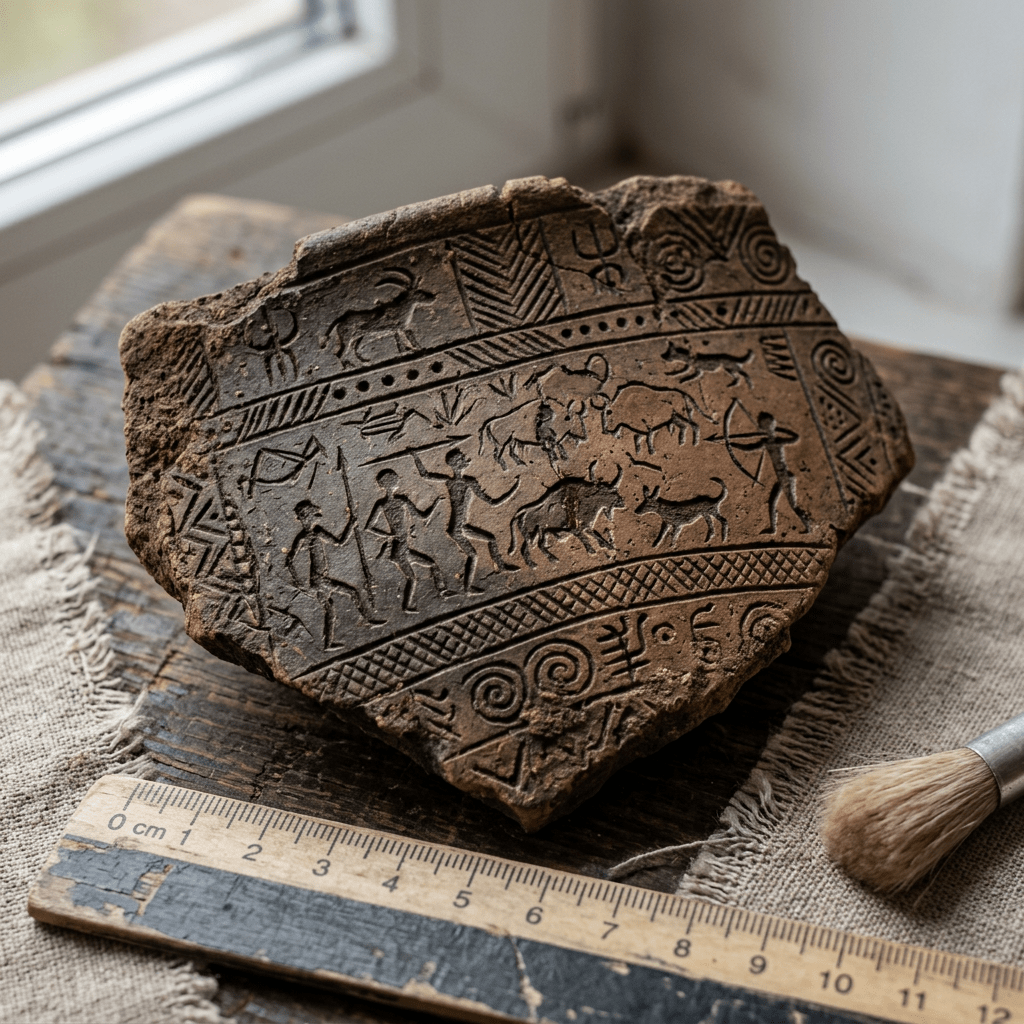
The oldest known creative outlet is pottery, dating back over 20,000 years. Archaeologists have uncovered ancient pottery shards decorated with intricate patterns, showing early humans’ desire to create both functional and beautiful objects.
The first known “crafter” is believed to be a prehistoric artisan who shaped clay into vessels for storing food and water. This craft required skill, patience, and an eye for design, marking a significant step in human creativity.
Pottery was not only practical but also a form of artistic expression, with decorations reflecting cultural symbols and personal identity.
Is This Ancient Craft Still Practiced Today?
Yes, pottery remains a vibrant craft practiced worldwide. Modern potters blend traditional techniques with contemporary styles, creating works that range from everyday dishes to fine art pieces. Pottery studios, workshops, and communities continue to thrive, showing that this ancient form of creativity still inspires and connects people.
The enduring popularity of pottery highlights how creativity bridges past and present, linking us to our ancestors through shared human experiences.
Creativity’s Evolution with the Internet and Social Media
The internet and social media have transformed how creativity is shared and experienced. Platforms like Instagram, YouTube, TikTok, and blogs allow creators to reach global audiences instantly. This has several effects:
- Increased Access: Anyone with an internet connection can learn new skills, share work, and find inspiration.
- Collaboration: Creators from different backgrounds connect and collaborate across distances.
- Diverse Voices: Social media amplifies voices that were historically marginalized or overlooked.
- Rapid Trends: Creative ideas spread quickly, sometimes leading to viral sensations.
At the same time, the digital age introduces challenges. The pressure to produce content constantly can lead to burnout. Algorithms may favor certain types of creativity, limiting diversity. The abundance of content can make it harder for individual creators to stand out.
Does Social Media Threaten Creativity?
Some worry that social media stifles creativity by encouraging imitation and superficial content. While there is some truth to this, social media itself is a tool. How it affects creativity depends on how people use it.
- Positive Impact: Social media can inspire new ideas, provide feedback, and build supportive communities.
- Negative Impact: It can also promote comparison, distraction, and a focus on popularity over originality.
Creators who use social media mindfully can harness its power without losing their unique voice. The key is balancing engagement with authenticity and taking breaks when needed.
Encouragement for All Creative Individuals
Creativity is not reserved for a select few. Everyone has the capacity to create, whether through art, writing, music, crafting, or any other outlet. Here are some reminders for nurturing your creative spirit:
- Value Your Process: Creativity is a journey, not just a final product. Enjoy experimenting and learning.
- Stay Curious: Explore new ideas, techniques, and perspectives to keep your creativity fresh.
- Connect with Others: Share your work and collaborate to find inspiration and support.
- Embrace Imperfection: Mistakes and failures are part of growth and often lead to unexpected breakthroughs.
- Make Time: Dedicate regular moments to your creative pursuits, even if brief.
Your creativity matters. It enriches your life and contributes to the world in ways only you can.
Creativity has been a defining feature of humanity since the earliest potters shaped clay thousands of years ago. Today, it continues to evolve, shaped by new tools and platforms like social media. While challenges exist, creativity remains a powerful force for expression, connection, and innovation. Whether you paint, write, craft, or create in other ways, your creative voice adds to a long and vibrant human story. Keep creating, exploring, and sharing your unique vision.
 Creativity and Inspiration
Leave a comment