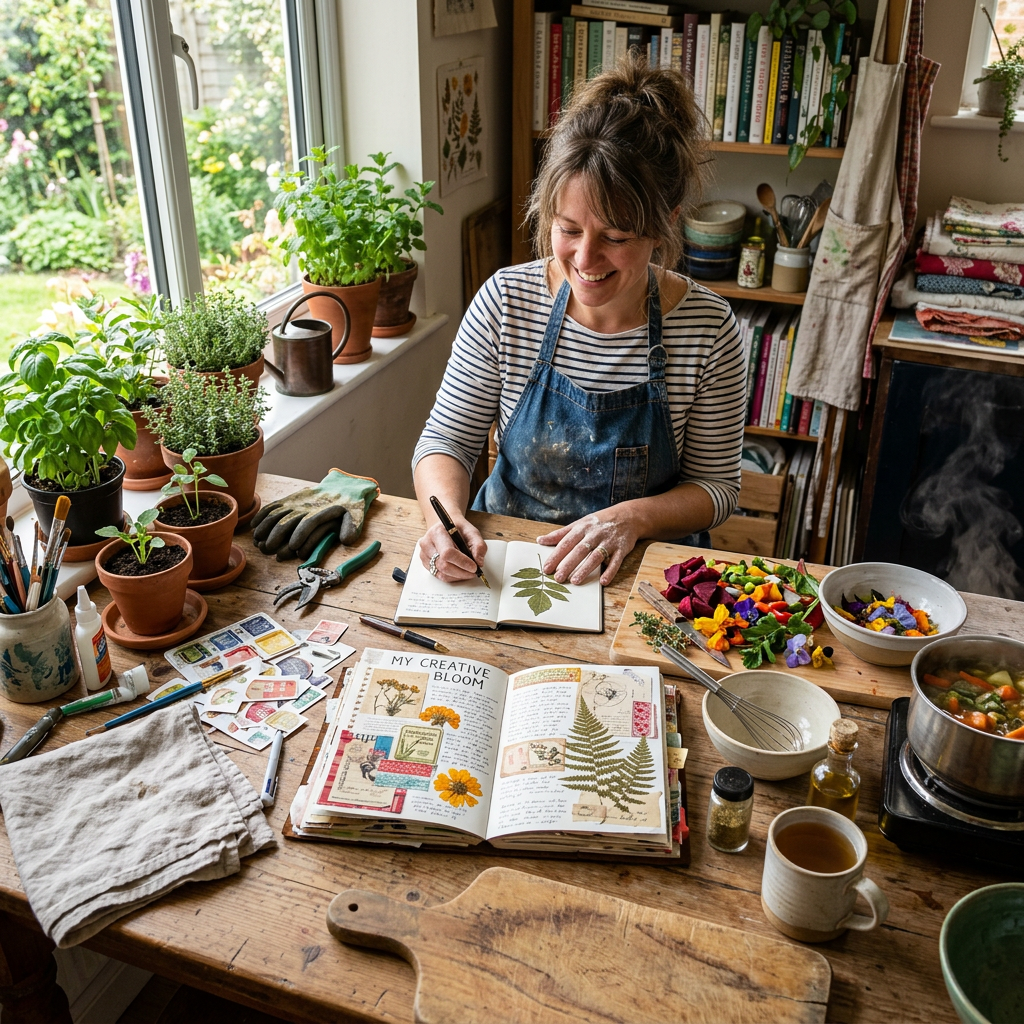
Creativity is a powerful tool that enriches our lives, offering a way to express ourselves, solve problems, and find joy in everyday moments. Many people think creativity is limited to artists or writers, but it can be found in many forms, including journaling, cooking, and gardening. These activities not only nurture your creative spirit but also provide practical benefits like improved mental health, better nutrition, and a more beautiful living space. This post explores how you can unlock your creative potential by diving into these three rewarding outlets.
Journaling: Unique Junk Journal Ideas and Techniques
Journaling is more than just writing down your thoughts. It can be a vibrant, tactile form of creativity that combines writing, art, and memory keeping. One exciting way to approach journaling is through junk journals—handmade books created from recycled and found materials. These journals invite you to experiment with textures, colors, and layouts, making each page a unique work of art.
What Is a Junk Journal?
A junk journal is a personalized notebook made from scraps like old book pages, envelopes, fabric, postcards, and even ticket stubs. Unlike traditional journals, junk journals encourage you to use mixed media and collage techniques, turning your journal into a creative playground.
Ideas to Get Started
- Theme Your Journal: Choose a theme such as travel, gratitude, or dreams. Collect related ephemera like maps, stamps, or magazine clippings to include.
- Use Different Paper Types: Mix lined paper, watercolor paper, and textured cardstock to add visual interest.
- Incorporate Pockets and Tags: Create hidden pockets or attach tags for extra notes or keepsakes.
- Add Layers: Use washi tape, stickers, and fabric scraps to build layers and depth on your pages.
- Experiment with Writing Styles: Combine poetry, lists, doodles, and quotes to keep your entries fresh and engaging.
Techniques to Inspire Creativity
- Collage and Decoupage: Cut out images and words from magazines or old books and glue them onto your pages.
- Stamping and Stenciling: Use rubber stamps or stencils to add patterns and shapes.
- Watercolor Washes: Paint light washes of color as backgrounds before writing or gluing items.
- Hand Lettering: Practice different fonts and styles to make your writing stand out.
Benefits of Junk Journaling
- Encourages mindfulness by focusing on the present moment.
- Helps process emotions through creative expression.
- Provides a tangible record of your thoughts and experiences.
- Sparks imagination by combining visual and written elements.
Cooking: Creative Tips and Simple Recipes to Experiment With
Cooking offers endless opportunities to express creativity. It’s a hands-on way to explore flavors, textures, and presentation. Whether you’re a beginner or an experienced cook, trying new techniques and recipes can turn everyday meals into exciting projects.
Tips to Boost Creativity in the Kitchen
- Mix and Match Ingredients: Combine unexpected flavors like sweet and savory or spicy and tangy.
- Use Seasonal Produce: Let fresh fruits and vegetables inspire your dishes.
- Play with Presentation: Arrange food in colorful, artistic ways on the plate.
- Try New Cooking Methods: Roast, grill, steam, or ferment to discover different textures and tastes.
- Keep a Flavor Journal: Note down combinations you like or want to try.
Simple Recipes to Encourage Experimentation
1. Roasted Vegetable Buddha Bowl
- Ingredients: Sweet potatoes, bell peppers, zucchini, chickpeas, quinoa, tahini sauce.
- Method: Roast chopped vegetables and chickpeas with olive oil and spices. Serve over cooked quinoa and drizzle with tahini sauce.
- Creative Twist: Swap vegetables based on what’s in season or add nuts and seeds for crunch.
2. Herb-Infused Olive Oil
- Ingredients: Olive oil, fresh herbs (rosemary, thyme, basil), garlic cloves.
- Method: Warm olive oil gently with herbs and garlic, then strain and store in a bottle.
- Use: Drizzle over salads, bread, or roasted vegetables for an extra flavor boost.
3. DIY Flavored Yogurt Parfait
- Ingredients: Plain yogurt, honey, fresh berries, granola, chopped nuts.
- Method: Layer yogurt with honey, berries, granola, and nuts in a glass.
- Creative Twist: Add spices like cinnamon or cardamom, or swap berries for tropical fruits.
Why Cooking Sparks Creativity
- It engages all senses: sight, smell, taste, touch, and sound.
- Encourages problem-solving when adapting recipes or substituting ingredients.
- Offers a sense of accomplishment and joy when sharing meals with others.
Creative junk journal page with mixed media elements
Gardening: Ideas for Planting a Beautiful Flower Garden
Gardening is a creative activity that connects you with nature and allows you to design living art. A flower garden can brighten your outdoor space and provide a peaceful retreat. Planning your garden with thoughtful flower combinations and care tips will help you create a thriving, beautiful environment.
Choosing Flowers That Work Well Together
- Color Harmony: Select flowers with complementary or analogous colors. For example, pair purples with yellows or pinks with reds.
- Height Variation: Plant taller flowers like delphiniums or sunflowers at the back and shorter ones like pansies or marigolds in front.
- Bloom Time: Mix early, mid, and late bloomers to keep your garden colorful throughout the seasons.
- Texture and Shape: Combine spiky flowers like lavender with round blooms like dahlias for visual interest.
Flower Combinations to Try
- Classic Cottage Garden: Roses, foxgloves, hollyhocks, and lavender.
- Wildflower Mix: Coneflowers, black-eyed Susans, cosmos, and lupines.
- Tropical Vibes: Hibiscus, bird of paradise, and cannas.
- Shade Garden: Hostas, astilbes, and bleeding hearts.
Care Tips for a Healthy Flower Garden
- Soil Preparation: Test soil pH and enrich with compost or organic matter.
- Watering: Water deeply but less frequently to encourage strong roots.
- Mulching: Use mulch to retain moisture and suppress weeds.
- Deadheading: Remove spent flowers to promote new blooms.
- Pest Control: Use natural methods like companion planting or neem oil to manage pests.
Creative Garden Projects
- Vertical Gardens: Use trellises or wall-mounted planters to grow climbing flowers.
- Container Gardens: Plant flowers in pots or repurposed containers for flexibility.
- Garden Art: Add painted rocks, wind chimes, or handmade signs to personalize your space.


Leave a comment